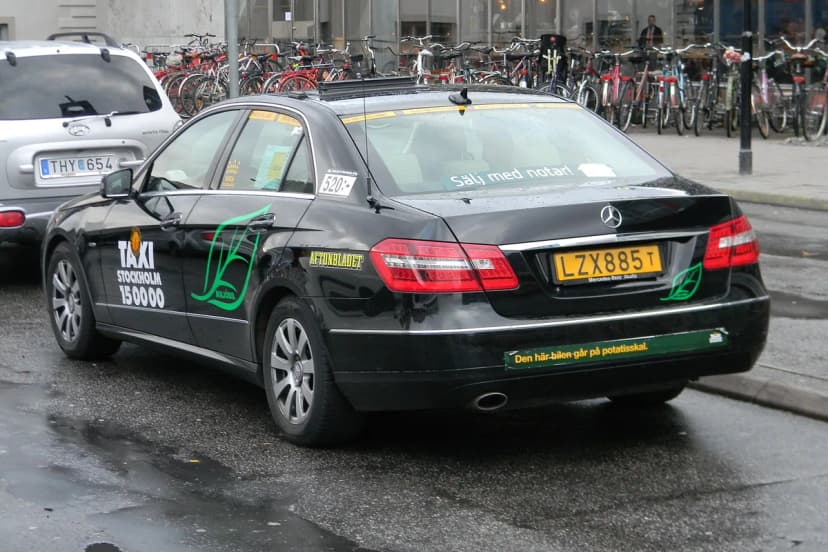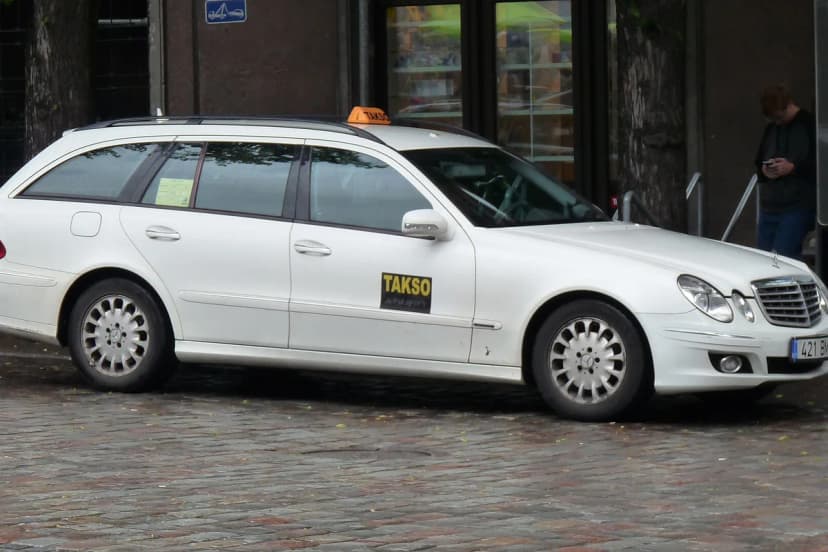
What is an accessible taxi and why does it matter?
An accessible taxi is a taxi service that lets disabled, elderly or reduced-mobility passengers travel safely and comfortably, supported by vehicles and services suited to their needs. Sometimes this means a wheelchair-accessible vehicle, sometimes the driver's help getting in and out, and sometimes simply good planning and clear communication. The goal is for everyone to move around the city independently and with dignity.
Accessible transport isn't a luxury but a right. When public transport isn't always suitable, a door-to-door taxi is the most practical way to reach an appointment, a visit, work or home safely. This guide walks disabled and reduced-mobility passengers step by step through how to find an accessible taxi and what to watch for.
Who is it for? Disabled, elderly, reduced-mobility riders
An accessible taxi isn't only for wheelchair users. Elderly people who struggle to walk, those using a cane or walker, visually or hearing-impaired riders, people temporarily limited by an injury or after surgery, even those travelling with a small child and lots of belongings all benefit from an accessible service.
Every passenger's need is different: for some it's a ramp or a wide door, for some the driver taking their arm for support, for some clear and patient communication. The essence of an accessible taxi is understanding these different needs in advance and preparing the right solution. When requested correctly, a suitable ride is possible for everyone.
Wheelchair-accessible vehicles
For wheelchair users the most important need is that the chair can be brought into the vehicle safely. This requires ramp- or lift-equipped vehicles with a spacious interior; the chair is secured inside and the passenger travels safely. Some passengers prefer to transfer into a seat and have their folding chair placed in the boot.
Specifying the accessible-vehicle need in advance is very important, because not every car is wheelchair-accessible and the right vehicle must be dispatched. Clarifying a 'wheelchair-accessible vehicle' request during the app booking or reservation ensures the right car arrives and the ride goes smoothly.
Calling an accessible car from the app
When you need an accessible vehicle, a taxi app greatly simplifies the process. You specify your destination and need, call a suitable car and see the estimated fare before boarding. The driver's name, plate and photo appear on your screen before boarding; this brings reassurance especially for passengers travelling alone.
Another advantage of calling from the app is that you don't have to explain your need verbally over and over; the request is recorded upfront. You track the ride live and share it with loved ones. Since an accessible vehicle may not always be instantly available, planning in advance where possible is the safest approach.
Advance booking and planning
The most reliable way to get an accessible taxi is to book the ride in advance. On a journey requiring a wheelchair-accessible vehicle or special support, specifying the pickup time and need in advance ensures the right car is ready and prevents last-minute surprises. This is critically important especially on time-bound journeys like an appointment, flight or event.
Advance booking also locks the fixed price; you know your budget upfront. When you clarify the time, pickup point and special needs of the ride, the driver arrives with the necessary preparation. A planned journey makes accessible transport both stress-free and predictable.
Door-to-door support and driver assistance
One of the most valuable aspects of an accessible taxi is door-to-door transport. On public transport, walking to the stop, climbing stairs or moving through a crowd can be hard; a taxi, on the other hand, picks you up from where you are and drops you at your exact destination. This makes a big difference for reduced-mobility passengers.
In many cases the driver can kindly assist the passenger getting in and out: opening the door, carrying belongings, taking the arm for support. Requesting this support in advance ensures the driver arrives prepared. A respectful and helpful approach is the human, not just physical, dimension of an accessible journey.
Visually impaired passengers and guide dogs
For visually impaired passengers, an accessible taxi means clear communication and trust. When the app can be used with voice accessibility features, the passenger sets the destination independently; the driver's name and plate can also be confirmed by voice. The driver kindly greeting the passenger at the pickup point eases the process.
Travelling with a guide dog is part of a visually impaired passenger's right to access; the guide dog accompanies the passenger. Specifying this need in advance ensures both that the driver is prepared and that the ride goes smoothly. An accessible service should also include passengers travelling with a guide dog.
Communication for hearing-impaired passengers
For hearing-impaired passengers, the greatest convenience is that communication can be written and visual. In a taxi app the destination address is entered in writing, the route is seen on the map and the price is shown on screen; so the ride can be planned without needing spoken communication. Any necessary notes can be shared with the driver in writing in the app.
A written, visual and map-based experience lets the hearing-impaired passenger stay in control at every stage of the ride: they see where they're going, know the fare and confirm the driver. This transparency removes the communication barrier, offering an accessible and independent journey.
Comfort and trust for elderly passengers
For elderly passengers an accessible taxi means both physical comfort and peace of mind. An easy-to-board, spacious and comfortable vehicle; the driver's patient and helpful approach; door-to-door transport make an elderly passenger's journey far safer and more pleasant.
Relatives being able to follow the ride via sharing is a separate source of reassurance for elderly passengers; the family knows their loved one is safe. The driver and plate details appearing in advance make it easier to recognize the right car at the door. An accessible taxi supports the elderly's independence and participation in social life.
Travelling with a companion or carer
Many disabled or elderly passengers travel with a companion or carer. On an accessible journey, a spacious vehicle that also comfortably fits the companion is important; enough room is needed along with equipment like a wheelchair or walker. Specifying this need in advance ensures a suitable vehicle arrives.
When travelling with a companion, cooperation and clear communication with the driver ease the journey. While the companion helps the passenger, the driver supports when needed. With a spacious, suitable vehicle, companion and passenger travel comfortably together; this is an important part of accessible transport.
Medical appointments and hospital transport
For regular medical appointments, check-ups and treatments, reliable transport is vital. An accessible taxi provides door-to-door, on-time and comfortable transport to the hospital or clinic; it's a great convenience when public transport can be tiring. Booking in advance according to the appointment time removes the stress of being late.
After treatment, the passenger may be tired or more limited in movement; in this case planning the return journey in advance is important too. The driver's help getting in and out, a spacious and comfortable vehicle and door-to-door service make medical transport far less tiring. Arranging recurring rides for regular appointments is also possible.
Accessible taxi at the airport
Airport journeys, with long distances and luggage, can be challenging for reduced-mobility passengers. An accessible taxi at the airport eases this with flight-tracked meet & greet and door-to-door service; the driver meets the passenger and their luggage and takes them to the hotel or home in a suitable vehicle.
Specifying the accessible-vehicle and special-support need before the flight ensures the right car is ready at the airport. With flight tracking, the driver waits ready even on a delay or early landing. When a wheelchair-accessible vehicle or companion support is arranged in advance, the airport transfer goes smoothly for disabled and elderly passengers.

Safety: driver verification, live tracking, sharing
On an accessible journey, safety is as important as comfort, especially for disabled or elderly passengers travelling alone. In a licensed app the driver's name, plate and photo appear on your screen before boarding; you can confirm the right car before getting in. This transparency provides a safe start.
Tracking the ride live and sharing it with loved ones brings reassurance to both the passenger and their family; someone always knows where you are. A recorded, licensed and trackable ride makes accessible transport both comfortable and safe. Instead of depending on a random car on the street, travelling in a verified taxi is far more reassuring.
Accessible taxi fare and fixed price
The most common question of accessible-taxi passengers is about the fare. The basic principle is this: accessibility should be a part of the service, not an extra burden. Knowing the ride's cost upfront with a fixed/agreed price both protects the budget and removes the worry of a surprise fee.
Especially on regular and important journeys like the hospital, airport or long distance, a fixed price provides predictability. Seeing the price before boarding and asking whether tolls are included clarifies the total cost. Accessible transport should be fairly and transparently priced for everyone.
City-by-city accessible transport
The need for an accessible taxi exists in every city; from Istanbul's heavy traffic to the wide boulevards of Ankara and Izmir, to holiday areas like Antalya, Bodrum, Fethiye, Alanya, Kemer and Marmaris. Distances and conditions may differ, but the principles of accessible transport are the same: a suitable vehicle, door-to-door service and clear communication.
Whatever city you're in, you call a suitable car from the app, specify your need and plan the ride safely. From the city links below you can pick your own city and reach its specific taxi, airport and affordable-fare details. Accessibility should be a standard service approach in all cities.

Accessible taxi for tourists and foreigners
For tourists with accessibility needs, transport in an unfamiliar city can be doubly hard: both the language barrier and the worry of finding a suitable vehicle. With a four-language app (Turkish, English, Arabic, Russian) you specify your need and address in your own language, call a suitable car and pay with a foreign card.
So, with no language barrier, you reach the hotel from the airport and the sights from the hotel comfortably in an accessible vehicle. The driver and plate details, live tracking and fixed price offer every passenger the same trust. In tourist areas like Antalya, Alanya and Bodrum, an accessible taxi makes the holiday far more comfortable for disabled and elderly tourists.
8 tips for an accessible taxi
1) Specify your need (wheelchair access, companion, guide dog) clearly in advance. 2) If possible, book the ride in advance with a fixed price. 3) Call from the app; see the driver, plate and price before boarding. 4) Ask for door-to-door service and describe the pickup point exactly.
5) Request a spacious vehicle for a companion and equipment. 6) Plan early on time-bound journeys like the hospital/airport. 7) Share the ride with loved ones and track it live. 8) Arrange the return journey in advance too. These eight tips make an accessible journey comfortable, safe and predictable.
7 myths about accessible taxis
1) 'An accessible taxi is only for wheelchairs' — false; elderly, visually/hearing-impaired and temporarily reduced-mobility riders benefit too. 2) 'An accessible taxi is always more expensive' — false; accessibility should be part of the service, and a fixed price makes it predictable. 3) 'It's always instantly available' — false; planning in advance for a suitable vehicle is the safest.
4) 'A guide dog is a problem' — false; the guide dog accompanies the passenger, specifying it in advance is enough. 5) 'Hearing-impaired people can't use a taxi' — false; a written and map-based app makes it easy. 6) 'The driver won't help' — false; support can be requested in advance. 7) 'Accessible service exists only in big cities' — false; the principles apply in every city. Knowing these myths helps you use accessible transport correctly.
Summary: golden rules of accessible transport for everyone
Specify your need clearly and in advance. If possible, book in advance with a fixed price. Call from the app; see the driver, plate and price before boarding. Ask for door-to-door service and driver support if needed. Request a spacious vehicle for a companion and equipment. Share the ride and track it live. Plan the return too.
Apply these rules and the journey becomes dignified, comfortable, safe and surprise-free for every disabled, elderly or reduced-mobility passenger. An accessible taxi isn't a privilege; it's a natural part of everyone's right to move around the city independently.