Istanbul's Two Sides: The Geography Behind the Commute
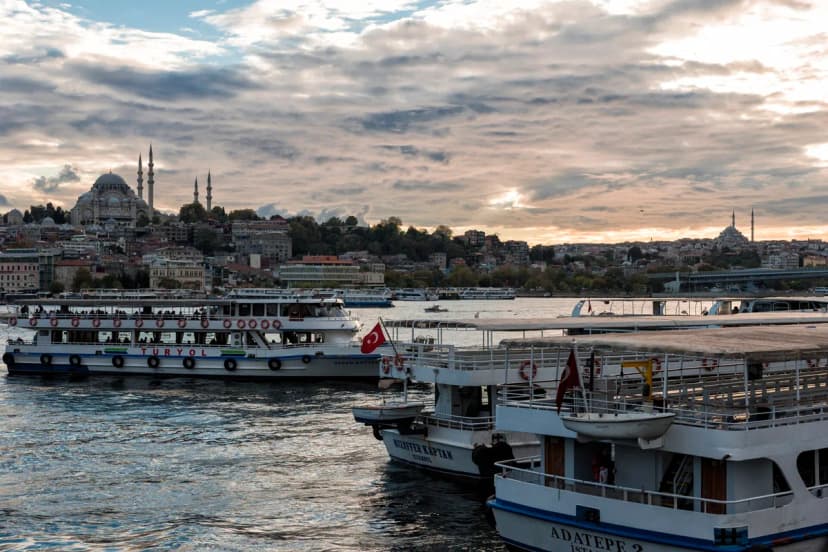
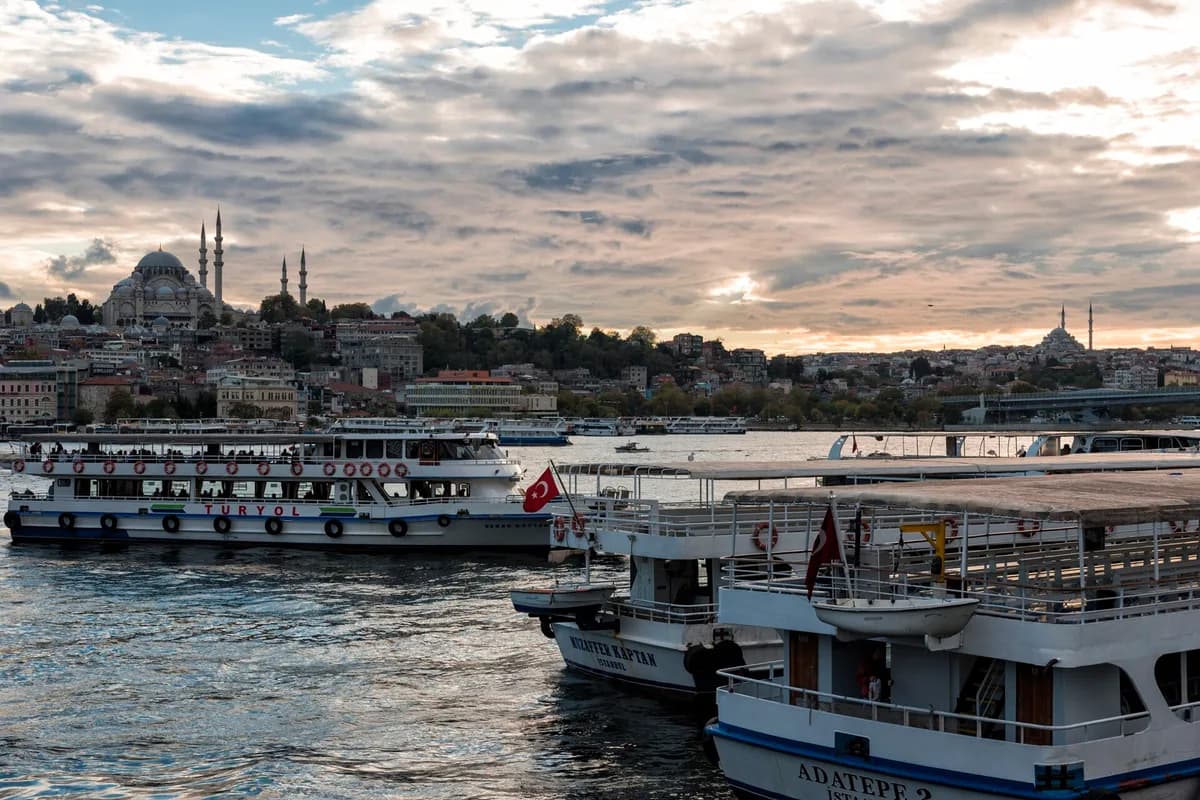
The Bosphorus Strait runs approximately 30 kilometres through the heart of Istanbul, separating the European side from the Asian side. The European side holds the historic peninsula, Taksim, Besiktas, Levent, Sisli and the new airport; the Asian side includes Kadikoy, Uskudar, Atasehir, Maltepe, and Sabiha Gokcen airport.
Millions of residents commute between the two continents every day. Traffic peaks sharply between 07:00-09:30 in the morning and 17:30-20:00 in the evening, with Friday afternoons adding an extra layer of congestion. During these windows, approach roads to bridges and tunnel exits can add 30 to 45 minutes to any crossing. An experienced driver with real-time route knowledge provides a meaningful edge over navigation apps alone.
The Four Crossing Points: Bridges and the Eurasia Tunnel
Istanbul has four road crossing points over or under the Bosphorus. The 15 Temmuz Sehitler Bridge (First Bridge) connects Besiktas on the European side to Beylerbeyi on the Asian side; it is the most centrally located and most frequently used. The Fatih Sultan Mehmet Bridge (Second Bridge) connects Hisarustu with Kavacik further north, and is useful for routes originating from the TEM motorway. The Yavuz Sultan Selim Bridge (Third Bridge) sits at the northern tip of the city near the Black Sea entrance to the strait; it primarily serves heavy freight and long-distance traffic rather than city commuters.
The Eurasia Tunnel is an undersea road tunnel connecting Kazlicesme on the European side with Goztepe on the Asian side. It often bypasses surface congestion and can be significantly faster for routes aligned with its entry and exit points, particularly in peak hours when the bridges are heavily backed up. All crossing points charge a toll, which is passed on to passengers in metered rides; for TaksiBul fixed-price quotes, the applicable tolls are factored into the figure shown before you confirm.
Toll Costs and How They Affect Your Fare
Bridge and tunnel tolls in Turkey are collected through the HGS/OGS electronic tag system. In metered taxi rides, tolls are a legitimate addition on top of the meter reading; the driver's tag is charged and the cost is passed to the passenger. Exact toll figures are updated periodically by official authorities, so current rates are best checked via official sources.
With TaksiBul fixed-price transfers for airports and intercity routes, all applicable crossing costs are included in the quoted price; no surprise additions at the destination. For city metered rides, simply ask your driver which crossing they plan to use and for a rough estimate of the toll before the journey begins. Transparency here is a sign of a professional driver.
Istanbul Airport (IST) to the Asian Side: Planning the Long Haul
Istanbul Airport is located on the northern European shore in Arnavutkoy. Transfers to Asian-side destinations such as Kadikoy, Atasehir, Maltepe, or Pendik are among the longest airport-to-city journeys in Istanbul. Depending on traffic, the journey can take anywhere from 60 to 120 minutes.
TaksiBul's flight tracking system monitors your flight and adjusts the driver's arrival to match actual landing and disembarkation time. For early morning flights from IST to the Asian side, build in at least three hours from your required arrival time. For arrivals into IST late at night, the route is typically much clearer; a late-night run to Kadikoy may take under 50 minutes with no traffic. The fixed-price quote you see in the app covers the complete journey including all crossing costs.
Sabiha Gokcen (SAW) to the European Side: Tunnel Strategy
Sabiha Gokcen Airport sits on the Asian shore near Pendik. Transfers to Taksim, Besiktas, Sisli, or Bakirkoy on the European side depend on the Eurasia Tunnel or the First Bridge. The tunnel can offer a faster option for journeys to central European Istanbul, especially when bridge approach roads are congested.
Night and early weekend morning transfers from SAW to Europe are among Istanbul's most predictable journeys; traffic is light and the route is straightforward. Weekday mornings between 07:00 and 10:00 are the opposite: crossing infrastructure is stressed and delays are common. Allow generous buffer time for any early flight departure from SAW if you are coming from the European side. TaksiBul's 24/7 support line can help you adjust timing on short notice.
Popular Cross-City Routes: European-Asian Examples
The Taksim to Kadikoy corridor is one of Istanbul's most travelled cross-city routes. By taxi via the First Bridge or Eurasia Tunnel, the journey takes 30 to 70 minutes depending on the time of day. Besiktas to Uskudar is similar in distance; both neighbourhoods border the Bosphorus, which adds scenic value but also means proximity to busy ferry and port access roads.
Levent or Maslak to Atasehir is a corporate commuter route that suffers heavily in morning peak hours due to TEM traffic converging at the Second Bridge. A buffer of at least 45 minutes over the off-peak estimate is sensible on weekday mornings. Bakirkoy to Maltepe is a natural fit for the Eurasia Tunnel; the entry and exit points align well with these neighbourhoods, making it a genuinely time-saving choice.
Night Crossings: Speed Gains and Tariff Differences
Between midnight and 06:00, Istanbul taxi meters shift to the night rate, which is legally higher than the daytime rate. However, the near-absence of traffic means journey times are dramatically shorter. A Taksim-Kadikoy run at 02:00 typically takes 25-30 minutes, compared to 60-80 minutes during the morning peak. The net cost often works out comparably or even favourably despite the higher rate per kilometre.
Toll charges do not change at night; only the meter tariff differs. For night airport transfers, TaksiBul's fixed pricing removes this variable entirely: you know the exact cost before the driver sets off. Arriving into either Istanbul Airport or Sabiha Gokcen after midnight and being met by a named driver holding your sign represents both a safety and convenience standard that street-hail alternatives rarely match.
Traffic Timing and Route Planning: What to Watch For
Three time windows dominate Istanbul's cross-Bosphorus congestion: morning inbound 07:00-09:30, evening outbound 17:30-20:00, and Friday afternoon 16:00-21:00. During these windows, D100 and TEM feeder roads can become static queues stretching several kilometres back from the bridge approach junctions.
Average journey times on navigation apps can be misleadingly optimistic; the relevant figure is the worst-case buffer you need to catch a plane or make an appointment. For any crossing during peak hours, add 30-45 minutes to the typical estimate. TaksiBul drivers monitor live traffic and switch routes proactively; this local intelligence often outpaces what standard mapping applications suggest.
Taxi vs. Public Transport: An Honest Comparison
Istanbul has strong cross-Bosphorus public transport options. Marmaray is an undersea commuter rail line connecting Sirkeci on the European side with Ayrilikcesmesi on the Asian side; in off-peak hours it is one of the fastest options available. Bosphorus ferries between Kabatas, Besiktas, Eminonu and Kadikoy offer a relaxed crossing but are weather-dependent and stop running late at night. Metrobus is fast within its E5 corridor but does not cross the strait directly.
Public transport excels for solo commuters travelling light during operating hours. Taxis are the practical choice for: groups with luggage, late-night or early-morning travel when ferries and metro services are limited, door-to-door convenience in the rain, or when time predictability matters more than cost. For airport transfers with bags and a flight to catch, the taxi equation typically wins on total stress and time even when the monetary cost is higher.
Booking a Cross-Bosphorus Transfer with TaksiBul
Open the TaksiBul app and enter your pickup address on one side of the Bosphorus and your destination on the other. For airport transfers, add your flight number and the system tracks it automatically. A fixed-price quote appears instantly; review the route detail before confirming so you can see which crossing is planned.
Once confirmed, the driver's name, vehicle, and a live tracking link are sent to you. Arrivals at either airport are met with a named card greeting. Payment is accepted by cash, card, or in-app; the choice is yours. WhatsApp bookings are available for those who prefer messaging. TaksiBul operates exclusively with licensed, insured drivers, providing the legal passenger protection that unlicensed alternatives cannot offer.
Tips and Common Mistakes for Cross-City Travel
The most frequent mistake is underestimating peak-hour delays and arriving late for a flight or appointment. The second is forgetting to budget for toll costs on metered rides. The third is accepting an unlicensed street-hail at the airport terminal when a pre-booked driver is quicker, safer, and often competitively priced.
Practical tips: whenever possible, schedule crossings before 07:00 or between 13:00 and 16:00. Leave the route decision to your driver; they have same-day intelligence. For important travel, pre-book rather than hail; the certainty of an assigned vehicle eliminates the variable of 'will I get one'. Share the live tracking link with whoever is waiting for you on the other side.